Leadership connected to delivery

CTO as a service for founders who need decisions turned into production software.

Bring the domain knowledge. Devyou supplies senior technical judgment, a focused product engineering team when needed, and continuing ownership from the first tradeoff through deployment, customer evidence, and the next iteration.

No strategy deck handoff, talent marketplace, or rotating advisor. Work directly with Oky, backed by the same team that builds and operates Devyou's own software products.
TECHNOLOGY OPERATING BOARD ONE OWNER
BUSINESS OUTCOME Make the core customer workflow dependable

Product scope, architecture, engineering, release, measurement, and the next decision

DECIDESmallest safe product changeLED
BUILDFocused production incrementSHIPPING
LEARNCustomer and system evidenceMEASURED
+ LEADERSHIP AND EXECUTION STAY CONNECTED

What CTO as a service should mean

Leadership and execution stay connected.

A useful CTO service does more than recommend a stack or attend a monthly call. It gives the business one experienced technical owner who understands the customer, controls consequential decisions, guides every contributor, and remains accountable when those decisions reach production.

ADVICE WITHOUT OWNERSHIP

The roadmap ends where the difficult work begins.

A consultant creates recommendations, an agency interprets them later, and the founder becomes the translator between strategy and delivery. Assumptions drift, handoffs hide risk, and nobody owns the complete result.

A DECK IS NOT A WORKING TECHNOLOGY FUNCTION
DEVYOU CTO AS A SERVICE

One direction from business decision to production evidence.

Oky connects product priorities to architecture and engineering. Your existing contributors can work under that direction, or Devyou can supply the focused team needed to implement, deploy, operate, and improve the product.

PRODUCT JUDGMENTTECHNICAL STRATEGYARCHITECTUREENGINEERINGSAFE RELEASESCONTINUOUS LEARNING
SENIOR OWNERSHIP WITH DELIVERY CAPACITY ATTACHED

Evidence from operating real products

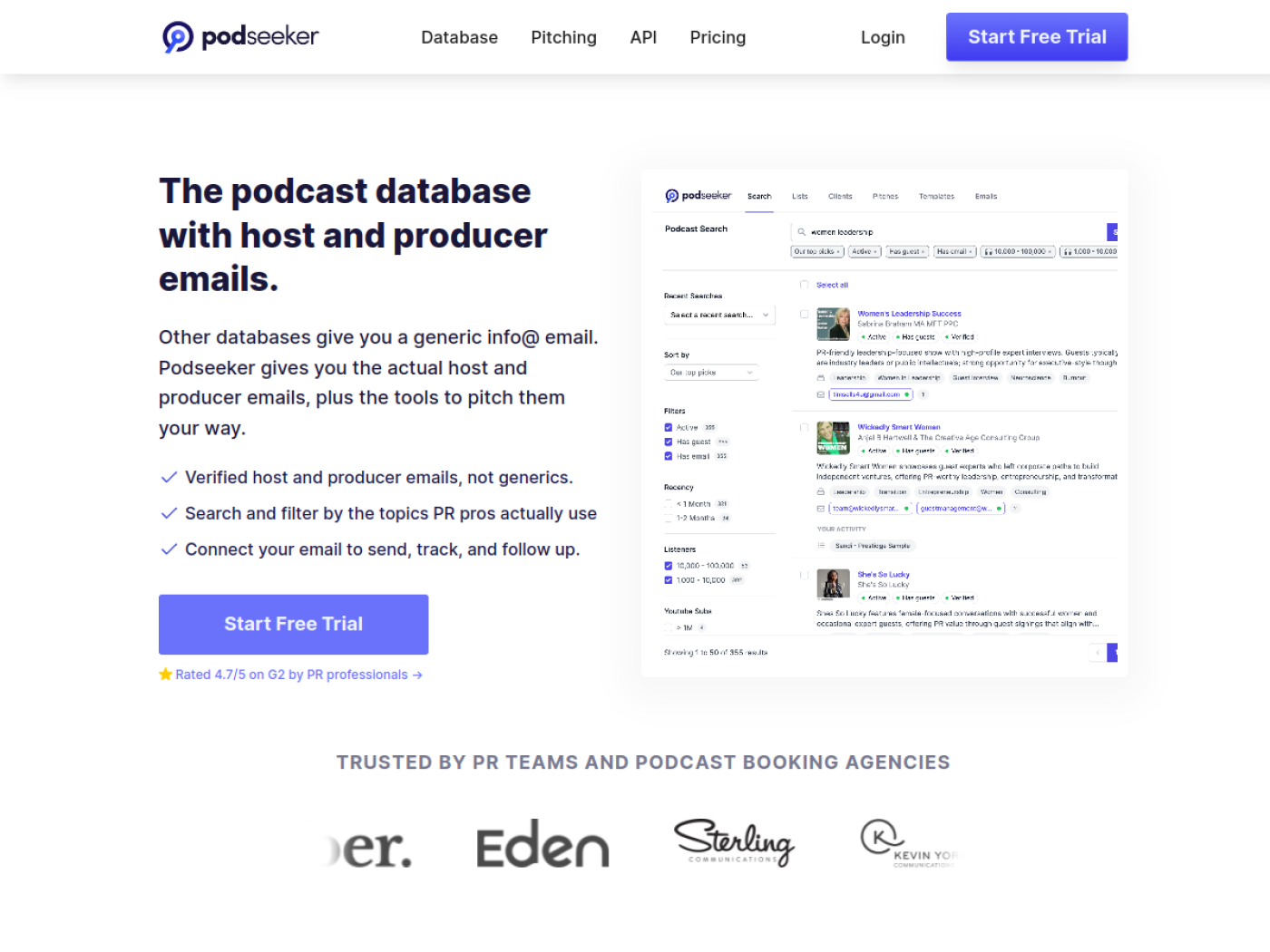
Work with the engineer who built and operates Podseeker and SocialPhotos.

Devyou's recommendations come from years of making product, data, billing, permissions, integration, deployment, reliability, and customer decisions inside our own software businesses. We know what happens after launch because we remain responsible for what happens after launch.

Who this model is built for

You know the industry. The software has outgrown improvisation.

CTO as a service is most useful when the business opportunity is real, technical choices are becoming expensive to reverse, and the company needs both judgment and forward motion without assembling a full executive and engineering organization.

SMALL SOFTWARE BUSINESS

Customers now depend on decisions nobody clearly owns.

  • Revenue, sensitive data, integrations, or operational workflows are at risk
  • Developers, agencies, vendors, and AI tools are pulling in different directions
  • Technical debt makes routine releases slow or unpredictable
  • You need to improve the product while keeping it running

CTO services connected to product delivery

Own the decisions that shape the product and the business.

The service is organized around outcomes, not executive theater. We find the smallest set of technical decisions and delivery work that can reduce risk, improve the customer experience, and create useful learning.

01

Product and technology strategy

Translate the business goal and domain constraints into a focused roadmap. Decide what to build, buy, integrate, postpone, or remove.

02

Architecture and technical ownership

Choose understandable boundaries, data models, services, and deployment patterns. Record the tradeoffs and assign a responsible owner.

03

Product engineering and delivery

Shape increments, direct implementation, review critical work, test the customer path, deploy safely, and verify the outcome in production.

04

Team, vendor, and AI leadership

Give developers, agencies, specialists, vendors, and coding agents the context, standards, decision rights, and feedback needed to work as one system.

05

Technical debt and recovery

Identify debt that threatens customers or delivery, contain risky shortcuts, improve observability and recovery, and sequence repayment without stopping progress.

06

Security, reliability, and cost

Protect data and permissions, reduce operational surprises, control service sprawl, and match technical investment to realistic business consequences.

What you should receive

A functioning technology capability, not borrowed executive vocabulary.

The exact artifacts vary. The durable outcome is a company that can explain its technical direction, deliver against it, see what is happening in production, and revise decisions without losing control of the product.

A decision hierarchy

The founder and team know which choices are consequential, who makes them, what evidence matters, and which work can wait.

A product roadmap tied to learning

Each meaningful increment has a customer or business hypothesis, a safe delivery path, and a way to evaluate the result.

An architecture people can explain

Boundaries, data, permissions, integrations, services, and failure modes are legible to the people responsible for changing them.

A controlled delivery system

Small changes move through review, critical tests, deployment, monitoring, and recovery without relying on heroics.

Visible technical debt

Shortcuts have an owner, a reason, a boundary, a consequence, and a trigger for repayment instead of becoming invisible drag.

Deliberate use of AI

Coding agents increase useful capacity inside clear context, review, permission, testing, and release controls.

Vendor and service discipline

Every external dependency earns its complexity, has a clear owner, and can be evaluated against cost, risk, portability, and work removed.

A path to the next team

Hiring and delegation follow the product's actual bottlenecks, including a deliberate transition to permanent leadership when the time is right.

CTO leadership in the AI era

Use AI to increase delivery capacity without surrendering engineering control.

AI can research, implement, test, and analyze at extraordinary speed. The scarce capability is deciding which work deserves to exist, creating the context for sound implementation, verifying critical behavior, and owning the production consequences.

MORE OUTPUT, WEAK CONTROL

Code grows faster than the company can understand it.

Plausible features, dependencies, abstractions, and services accumulate. Local changes look reasonable while product consistency, data boundaries, permissions, recovery, and operating cost degrade across the whole system.

SPEED AMPLIFIES WHATEVER DELIVERY SYSTEM ALREADY EXISTS
AI-ACCELERATED PRODUCT ENGINEERING

Experienced people control the outcome while agents accelerate the work.

We keep changes small, supply precise context, isolate permissions, review the implementation, protect critical workflows with tests, deploy deliberately, and use production evidence to decide what comes next.

HUMAN OWNERSHIPSCOPED CONTEXTSMALL CHANGESCRITICAL TESTSSAFE RELEASESREAL FEEDBACK
FASTER DELIVERY WITHOUT PRETENDING VERIFICATION IS OPTIONAL

This is consistent with current engineering research: DORA describes AI as an amplifier of organizational strengths and weaknesses, and NIST calls for human validation and verifiable processes around AI-generated work.

How the engagement works

Understand enough to act. Ship something useful. Learn from reality.

There is no extensive PRD phase designed to make uncertainty look solved. We establish the customer and technical context, identify the decision with the highest leverage, and move it through production in a form small enough to evaluate.

01

Understand and prioritize

Review the business, customer workflow, product, code, data, contributors, vendors, commitments, risks, and the founder's current questions.

02

Decide and deliver

Make the tradeoff explicit, set direction, assign ownership, lead the implementation, and verify that the intended customer outcome reaches production safely.

03

Measure and adapt

Use customer behavior, system signals, incidents, cost, support, and delivery friction to update the roadmap and choose the next valuable increment.

No strategy deck handoff. The CTO remains connected to the builders and the production result. Tell Oky where the product is stuck.

Choose the right leadership model

CTO as a service is not a new label for every kind of technology help.

Clear boundaries prevent the founder from buying the wrong capability. Devyou focuses on software product leadership and execution, with a deliberate path toward internal leadership when the business grows into it.

NOT MANAGED IT OR STAFF AUGMENTATION

We do not manage office devices or sell anonymous developer capacity.

Virtual CTO providers often bundle IT administration, networks, help desks, cloud accounts, and procurement. Staff augmentation supplies contributors for somebody else to direct. Neither model is Devyou's focus.

THE SERVICE IS PRODUCT TECHNOLOGY LEADERSHIP
FRACTIONAL CTO OR CTO AS A SERVICE?

Choose based on who will execute the technical direction.

If you already have capable contributors and mainly need continuing senior leadership, use fractional CTO services. If you need that leadership plus a focused engineering team that can build and operate the product, CTO as a service is the stronger fit.

DIRECT ACCESSCLEAR DECISIONSFLEXIBLE CAPACITYONE DIRECTIONPRODUCTION OWNERSHIPHANDOFF WHEN READY
BUY THE CAPABILITY THE BUSINESS ACTUALLY LACKS

Questions founders ask

Clear answers about CTO as a service.

What the model includes, how it differs from adjacent services, what it costs, and when Devyou is the right fit.

01What is CTO as a service?+

CTO as a service gives a company ongoing access to senior technology leadership without hiring a full-time chief technology officer. The role connects business goals to product scope, architecture, engineering standards, team leadership, security, reliability, vendor choices, and delivery. At Devyou, the same leadership can also direct a focused product team that implements and operates the decisions.

02What does a CTO as a service actually do?+

The work depends on the stage and the most consequential uncertainty. It can include turning domain knowledge into a product plan, choosing what not to build, reviewing an existing codebase, selecting architecture and services, guiding developers and coding agents, controlling technical debt, improving release practices, evaluating vendors, hiring contributors, and establishing clear ownership for production.

03How does CTO as a service work?+

We begin with the business, customer workflow, product, code, data, team, vendors, and current risks. Oky identifies the decision with the greatest leverage, sets a clear technical direction, and defines ownership. Devyou can then guide your contributors or supply the engineering needed to ship. We review production evidence and repeat instead of treating the first plan as permanent.

04Is CTO as a service the same as a fractional CTO?+

The models overlap, but the emphasis can differ. A fractional CTO usually describes a part-time individual who leads an existing or forming team. Devyou's CTO as a service combines that senior ownership with product engineering capacity, so the company can move from strategy to implementation without hiring a separate agency. See our fractional CTO service if leadership is the main need.

05Is this a virtual CTO or managed IT service?+

No. Some virtual CTO services focus on office IT, devices, networks, help desks, Microsoft administration, or managed infrastructure. Devyou leads software products: customer workflows, product strategy, application architecture, data, engineering delivery, security, reliability, AI-assisted development, and continuous improvement. We are not managed IT.

06Who is CTO as a service for?+

It fits domain-led founders, early-stage software businesses, and small product teams facing technical decisions that are too important for guesswork but not yet large enough to justify a full-time executive. It is especially useful when a prototype must become dependable software, multiple contributors need one direction, or the founder needs senior judgment and an accountable path to delivery.

07Can you take over a vibe-coded or app-builder prototype?+

Yes. We inspect the working product before prescribing a rewrite. That includes customer workflows, code, data, permissions, integrations, accounts, deployment, observability, and current users. We may stabilize and extend it, replace only dangerous boundaries, or plan a measured migration. The evidence decides.

08Do you only advise, or will Devyou build the product?+

Both modes are available. We can lead your current developers, contractors, agency, and AI-assisted contributors. When execution capacity is missing, Devyou can add product shaping, design, full-stack development, testing, deployment, monitoring, maintenance, and iteration under the same technical direction.

09What does CTO as a service cost?+

Cost depends on decision scope, delivery responsibility, cadence, system risk, and whether Devyou is leading an existing team or supplying engineering execution. Advisory leadership is lighter than an embedded engagement with production delivery. We scope the smallest useful engagement after understanding the product. For market benchmarks, see our fractional CTO rates and cost guide.

10When should we hire a full-time CTO instead?+

A full-time CTO makes sense when technology leadership requires daily executive presence, the engineering organization is large enough to need permanent management, recruiting and culture ownership have become continuous responsibilities, or the company has reached a stage where long-term internal leadership outweighs flexibility. A good external CTO should help you recognize and prepare for that transition rather than preserve the engagement indefinitely.

Need technical leadership and a path to delivery?

Bring the domain expertise.
We will own the technical path with you.

Tell Oky what the product does, who contributes today, what customers already depend on, and which decision or delivery problem is consuming the most attention. We will scope the smallest useful combination of CTO leadership and engineering execution.

Discuss your product